

Are Most Back Pain Beliefs True?
Many adults in Hamburg, NY will experience back pain at some point, especially with seasonal shifts, snow shoveling, or home projects common in the area. But not all the advice or stories shared among neighbors or found online reflect current science or practical experience. Some common myths actually make it harder for people to manage their discomfort effectively or to know when real medical input is needed.
Is Rest Always Best for Back Pain?
Short answer: No, extended bed rest can actually slow recovery from most types of back pain.
While it may feel natural to rest when your back hurts, research shows that staying in bed for more than a day or two often leads to more stiffness, weaker muscles, and longer recovery times. Gentle movement, walking, and gradually returning to normal activities can be more effective for many people, unless a medical provider has advised otherwise.
This can be especially relevant in Hamburg, where winter weather and long periods indoors might make bed rest seem tempting after a slip or lifting injury. Most people benefit from staying as active as their pain allows and pacing themselves as they get back to daily routines.
Does Back Pain Always Mean a Serious Problem?
Many residents fear back pain signals major damage or a permanent condition. In reality, most cases result from muscle strain, minor injuries, or posture habits and are not caused by structural or life-threatening issues. Acute pain from shoveling snow, yardwork, or moving furniture in the city is rarely a sign of a dangerous problem.
However, there are warning signs that do need prompt medical assessment, such as:
- Sudden loss of bladder or bowel control
- Numbness in the groin or legs
- Back pain following a severe fall or accident
For the average adult in Hamburg, most back pain episodes will improve within a few weeks using practical self-care, warmth or ice, and gentle exercise.
Is Back Pain Inevitable With Aging?
While the spine does experience wear-and-tear with age, back pain is not an automatic part of getting older in Hamburg or anywhere else. Many people remain active and pain-free well into their senior years.
Factors such as regular physical activity, maintaining a healthy weight, good posture, and keeping up with hobbies or home garden work can make a real difference. The myth that back pain is simply "part of aging" may discourage local seniors from taking steps that help prevent or reduce pain.
Is “Slipped Disc” a Common Cause of Pain?
Many believe a disc in the spine can "slip out"—but the truth is more nuanced. Discs can bulge or herniate, sometimes irritating nearby nerves, but the term “slipped disc” is misleading and often causes unnecessary worry.
For most people in Hamburg experiencing back pain after typical activities, the cause is muscular or ligamentous, not a major disc problem. Even in cases of bulging or herniated discs discovered on imaging, many people have no symptoms at all.
Should You Avoid Exercising With Back Pain?
Gentle and guided activity generally supports healing and long-term back health. Resting too much can weaken the muscles that support the spine.
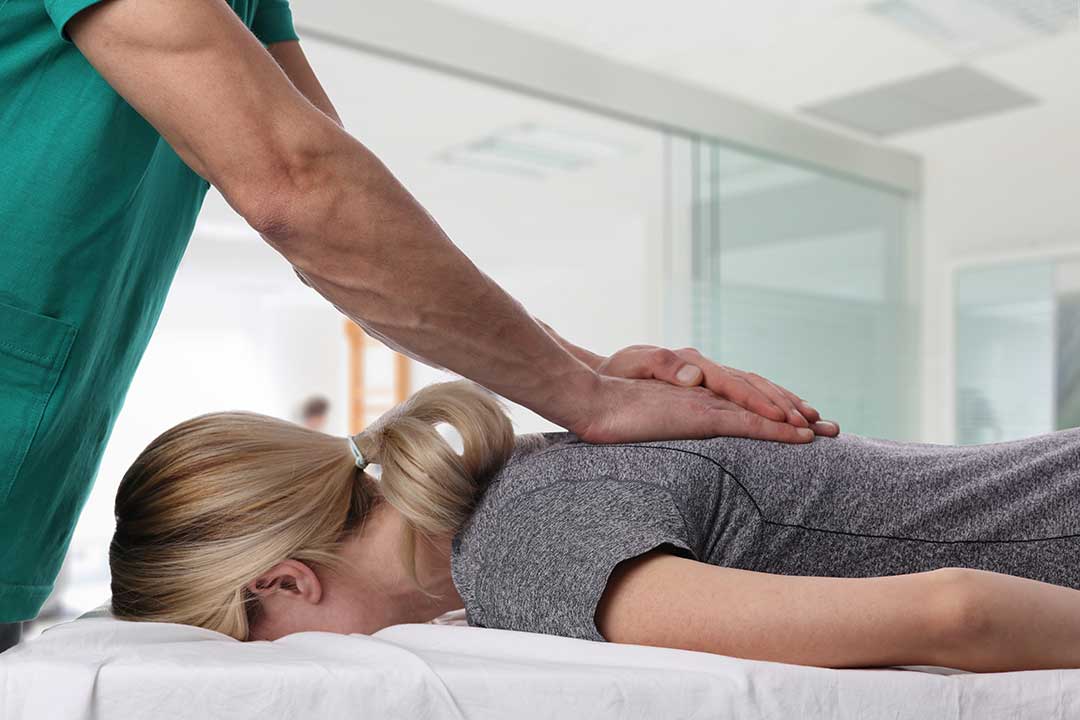
Residents of Hamburg who enjoy walking the neighborhoods, light gardening, or recreational sports can usually continue with modification, unless there are severe symptoms or a healthcare provider advises against it. Stopping all activity or fearing harm from movement can prolong recovery for most common back pain episodes.
Does Poor Posture Always Cause Back Pain?
Poor sitting or standing habits can contribute to discomfort for some, but posture alone is rarely the sole driver of persistent pain. Back pain is influenced by a mix of physical, lifestyle, and sometimes emotional factors.
For those working from home offices or frequently driving around Hamburg, periodic movement, stretching, and varying positions may prevent or ease discomfort more than simply “fixing posture.” Ergonomic furniture may help, but even the best chair offers benefits only when paired with regular movement.
Is Imaging (Like X-Rays or MRIs) Always Needed?
For routine episodes of back pain in otherwise healthy adults, imaging is not typically recommended unless “red flag” symptoms are present or if the pain lasts for several weeks with no improvement.
In most scenarios, the diagnosis is made based on symptoms and a physical examination. Imaging can sometimes reveal changes (such as mild disc bulges or arthritis) that are common in people with no pain at all. Overreliance on scans or X-rays may even lead to confusion or unnecessary concern in the community.
Can Weather Changes Cause Back Pain?
This is a popular topic, especially in places like Hamburg where temperature and humidity can change quickly from summer to winter. Some people do notice more discomfort on damp or cold days, but scientific studies have not found a consistent or direct link between weather changes and flare-ups of back pain.
Cold weather, snow shoveling, and icy sidewalks can make pain worse indirectly by leading to slips, falls, or sudden overexertion. Wearing appropriate footwear, warming up before outdoor chores, and using proper lifting habits can help residents avoid these triggers.
Do Only Physically Active or Sedentary People Get Back Pain?
Back pain affects both highly active individuals (like athletes or manual workers) and those with desk jobs or less physical activity. The important factors are how the spine and surrounding muscles are used—or not used—each day. Sudden bursts of unusual activity or a long period of inactivity can both lead to discomfort.
For Hamburg residents, maintaining a consistent level of moderate physical activity—whether it’s daily walks, working in the yard, or stretching indoors—provides the best support for spinal health.
